Foram encontradas 125 questões.
4201383
Ano: 2026
Disciplina: Inglês (Língua Inglesa)
Banca: Avança SP
Orgão: Pref. São Miguel Arcanjo-SP
Disciplina: Inglês (Língua Inglesa)
Banca: Avança SP
Orgão: Pref. São Miguel Arcanjo-SP
Provas:
Choose the alternative in which the pair of
words are antonyms.
Provas
Questão presente nas seguintes provas

4201382
Ano: 2026
Disciplina: Inglês (Língua Inglesa)
Banca: Avança SP
Orgão: Pref. São Miguel Arcanjo-SP
Disciplina: Inglês (Língua Inglesa)
Banca: Avança SP
Orgão: Pref. São Miguel Arcanjo-SP
Provas:
In the sentence "She runs a successful
company," the verb "runs" means "manages."
Choose the alternative in which the verb "run"
is used with a different meaning.
Provas
Questão presente nas seguintes provas
4201381
Ano: 2026
Disciplina: Inglês (Língua Inglesa)
Banca: Avança SP
Orgão: Pref. São Miguel Arcanjo-SP
Disciplina: Inglês (Língua Inglesa)
Banca: Avança SP
Orgão: Pref. São Miguel Arcanjo-SP
Provas:
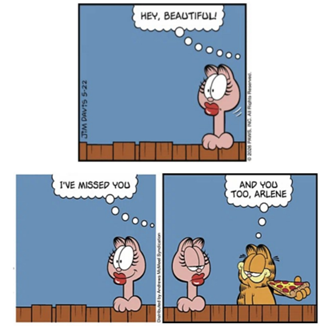
Available at: HEY, BEAUTIFUL! AND YOU TOO, ARLENE https://www.gocomics.com/garfield/2026/05/22
In the last panel, the expression “And you too, Arlene" suggests that Garfield:
Provas
Questão presente nas seguintes provas
4201380
Ano: 2026
Disciplina: Inglês (Língua Inglesa)
Banca: Avança SP
Orgão: Pref. São Miguel Arcanjo-SP
Disciplina: Inglês (Língua Inglesa)
Banca: Avança SP
Orgão: Pref. São Miguel Arcanjo-SP
Provas:
Read the text message below and answer the
question.
“Hey, Lucas!
Gonna be a little late today. Traffic is terrible lol.
Can you save me a seat in the meeting roooт?
Thanks!"
Regarding the language used in the message, choose the correct alternative.
“Hey, Lucas!
Gonna be a little late today. Traffic is terrible lol.
Can you save me a seat in the meeting roooт?
Thanks!"
Regarding the language used in the message, choose the correct alternative.
Provas
Questão presente nas seguintes provas
4201379
Ano: 2026
Disciplina: Inglês (Língua Inglesa)
Banca: Avança SP
Orgão: Pref. São Miguel Arcanjo-SP
Disciplina: Inglês (Língua Inglesa)
Banca: Avança SP
Orgão: Pref. São Miguel Arcanjo-SP
Provas:
Read the text to answer question.
Why Soft Skills Matter
When discussing careers, professional growth,
or the process of finding a job, people often
focus mainly on "hard skills." These are
abilities directly associated with carrying out
specific tasks or performing a certain
profession. In most cases, they can be tested or
measured because they are developed through
diplomas, certifications, technical courses,
workshops, academic education, and
professional training programs.
In contrast, "soft skills" are not as easy
to evaluate quantitatively. They are usually
connected less to formal education and more to
personal experience, behavior, attitude, and the
way individuals interact with others. For this
reason, they are frequently referred to as
"people skills." They involve qualities such as
the ability to communicate effectively,
cooperate with others, motivate teams, or
demonstrate leadership in different situations.
Among the soft skills most valued in the
workplace are creativity, teamwork, leadership,
organization, adaptability, and strong written
and verbal communication. These
competencies contribute to the development of
a more complete and versatile professional. In
competitive job markets, they can even become
a major advantage for candidates seeking
employment opportunities. Since interpersonal
interaction exists in nearly every profession,
these skills are important across practically all
industries. For employers and job seekers alike,
these abilities are considered "transferable
skills" because they can be applied successfully
in different positions, companies, and
professional environments. Organizations
generally appreciate professionals who can adapt easily, collaborate with others, and
maintain effective interpersonal relationships,
making soft skills increasingly valuable in
modern workplaces.
Adapted from the article "Soft Skills" available at:
https://lingua.com/businessenglish/reading/soft-skills/
Provas
Questão presente nas seguintes provas
4201378
Ano: 2026
Disciplina: Inglês (Língua Inglesa)
Banca: Avança SP
Orgão: Pref. São Miguel Arcanjo-SP
Disciplina: Inglês (Língua Inglesa)
Banca: Avança SP
Orgão: Pref. São Miguel Arcanjo-SP
Provas:
Read the text to answer question.
Why Soft Skills Matter
When discussing careers, professional growth,
or the process of finding a job, people often
focus mainly on "hard skills." These are
abilities directly associated with carrying out
specific tasks or performing a certain
profession. In most cases, they can be tested or
measured because they are developed through
diplomas, certifications, technical courses,
workshops, academic education, and
professional training programs.
In contrast, "soft skills" are not as easy
to evaluate quantitatively. They are usually
connected less to formal education and more to
personal experience, behavior, attitude, and the
way individuals interact with others. For this
reason, they are frequently referred to as
"people skills." They involve qualities such as
the ability to communicate effectively,
cooperate with others, motivate teams, or
demonstrate leadership in different situations.
Among the soft skills most valued in the
workplace are creativity, teamwork, leadership,
organization, adaptability, and strong written
and verbal communication. These
competencies contribute to the development of
a more complete and versatile professional. In
competitive job markets, they can even become
a major advantage for candidates seeking
employment opportunities. Since interpersonal
interaction exists in nearly every profession,
these skills are important across practically all
industries. For employers and job seekers alike,
these abilities are considered "transferable
skills" because they can be applied successfully
in different positions, companies, and
professional environments. Organizations
generally appreciate professionals who can adapt easily, collaborate with others, and
maintain effective interpersonal relationships,
making soft skills increasingly valuable in
modern workplaces.
Adapted from the article "Soft Skills" available at:
https://lingua.com/businessenglish/reading/soft-skills/
Provas
Questão presente nas seguintes provas
4201377
Ano: 2026
Disciplina: Inglês (Língua Inglesa)
Banca: Avança SP
Orgão: Pref. São Miguel Arcanjo-SP
Disciplina: Inglês (Língua Inglesa)
Banca: Avança SP
Orgão: Pref. São Miguel Arcanjo-SP
Provas:
- Interpretação de texto | Reading comprehension
- Gramática - Língua InglesaPronomes | PronounsPronome relativo | Relative clauses
Read the text to answer question.
Why Soft Skills Matter
When discussing careers, professional growth,
or the process of finding a job, people often
focus mainly on "hard skills." These are
abilities directly associated with carrying out
specific tasks or performing a certain
profession. In most cases, they can be tested or
measured because they are developed through
diplomas, certifications, technical courses,
workshops, academic education, and
professional training programs.
In contrast, "soft skills" are not as easy
to evaluate quantitatively. They are usually
connected less to formal education and more to
personal experience, behavior, attitude, and the
way individuals interact with others. For this
reason, they are frequently referred to as
"people skills." They involve qualities such as
the ability to communicate effectively,
cooperate with others, motivate teams, or
demonstrate leadership in different situations.
Among the soft skills most valued in the
workplace are creativity, teamwork, leadership,
organization, adaptability, and strong written
and verbal communication. These
competencies contribute to the development of
a more complete and versatile professional. In
competitive job markets, they can even become
a major advantage for candidates seeking
employment opportunities. Since interpersonal
interaction exists in nearly every profession,
these skills are important across practically all
industries. For employers and job seekers alike,
these abilities are considered "transferable
skills" because they can be applied successfully
in different positions, companies, and
professional environments. Organizations
generally appreciate professionals who can adapt easily, collaborate with others, and
maintain effective interpersonal relationships,
making soft skills increasingly valuable in
modern workplaces.
Adapted from the article "Soft Skills" available at:
https://lingua.com/businessenglish/reading/soft-skills/
Provas
Questão presente nas seguintes provas
4201376
Ano: 2026
Disciplina: Inglês (Língua Inglesa)
Banca: Avança SP
Orgão: Pref. São Miguel Arcanjo-SP
Disciplina: Inglês (Língua Inglesa)
Banca: Avança SP
Orgão: Pref. São Miguel Arcanjo-SP
Provas:
Read the text to answer question.
Why Soft Skills Matter
When discussing careers, professional growth,
or the process of finding a job, people often
focus mainly on "hard skills." These are
abilities directly associated with carrying out
specific tasks or performing a certain
profession. In most cases, they can be tested or
measured because they are developed through
diplomas, certifications, technical courses,
workshops, academic education, and
professional training programs.
In contrast, "soft skills" are not as easy
to evaluate quantitatively. They are usually
connected less to formal education and more to
personal experience, behavior, attitude, and the
way individuals interact with others. For this
reason, they are frequently referred to as
"people skills." They involve qualities such as
the ability to communicate effectively,
cooperate with others, motivate teams, or
demonstrate leadership in different situations.
Among the soft skills most valued in the
workplace are creativity, teamwork, leadership,
organization, adaptability, and strong written
and verbal communication. These
competencies contribute to the development of
a more complete and versatile professional. In
competitive job markets, they can even become
a major advantage for candidates seeking
employment opportunities. Since interpersonal
interaction exists in nearly every profession,
these skills are important across practically all
industries. For employers and job seekers alike,
these abilities are considered "transferable
skills" because they can be applied successfully
in different positions, companies, and
professional environments. Organizations
generally appreciate professionals who can adapt easily, collaborate with others, and
maintain effective interpersonal relationships,
making soft skills increasingly valuable in
modern workplaces.
Adapted from the article "Soft Skills" available at:
https://lingua.com/businessenglish/reading/soft-skills/
Provas
Questão presente nas seguintes provas
4201375
Ano: 2026
Disciplina: Inglês (Língua Inglesa)
Banca: Avança SP
Orgão: Pref. São Miguel Arcanjo-SP
Disciplina: Inglês (Língua Inglesa)
Banca: Avança SP
Orgão: Pref. São Miguel Arcanjo-SP
Provas:
Read the text to answer question.
Why Soft Skills Matter
When discussing careers, professional growth,
or the process of finding a job, people often
focus mainly on "hard skills." These are
abilities directly associated with carrying out
specific tasks or performing a certain
profession. In most cases, they can be tested or
measured because they are developed through
diplomas, certifications, technical courses,
workshops, academic education, and
professional training programs.
In contrast, "soft skills" are not as easy
to evaluate quantitatively. They are usually
connected less to formal education and more to
personal experience, behavior, attitude, and the
way individuals interact with others. For this
reason, they are frequently referred to as
"people skills." They involve qualities such as
the ability to communicate effectively,
cooperate with others, motivate teams, or
demonstrate leadership in different situations.
Among the soft skills most valued in the
workplace are creativity, teamwork, leadership,
organization, adaptability, and strong written
and verbal communication. These
competencies contribute to the development of
a more complete and versatile professional. In
competitive job markets, they can even become
a major advantage for candidates seeking
employment opportunities. Since interpersonal
interaction exists in nearly every profession,
these skills are important across practically all
industries. For employers and job seekers alike,
these abilities are considered "transferable
skills" because they can be applied successfully
in different positions, companies, and
professional environments. Organizations
generally appreciate professionals who can adapt easily, collaborate with others, and
maintain effective interpersonal relationships,
making soft skills increasingly valuable in
modern workplaces.
Adapted from the article "Soft Skills" available at:
https://lingua.com/businessenglish/reading/soft-skills/
Provas
Questão presente nas seguintes provas
4201374
Ano: 2026
Disciplina: Inglês (Língua Inglesa)
Banca: Avança SP
Orgão: Pref. São Miguel Arcanjo-SP
Disciplina: Inglês (Língua Inglesa)
Banca: Avança SP
Orgão: Pref. São Miguel Arcanjo-SP
Provas:
Choose the alternative in which the pair of
words are synonyms.
Provas
Questão presente nas seguintes provas
Cadernos
Caderno Container