Foram encontradas 50 questões.
No que diz respeito às técnicas de programação visual, o Design de Interfaces é a prática responsável pelo planejamento, desenvolvimento e aplicação de uma solução cujo objetivo é
Provas

Para que uma peça gráfica digital alcance o objetivo de comunicar algo ao público-alvo de uma marca, é prioritário que
Provas
O nome dado ao elemento utilizado por profissionais de Design Gráfico para organizar os elementos de forma harmônica e padronizada no desenvolvimento de peças gráficas digitais é
Provas
SEO (Search Engine Optimization) é um elemento relevante no processo de redação publicitária para web, podendo ser definido como
Provas
A respeito do software Adobe After Effects, em sua versão CC e configuração padrão, é correto afirmar que
Provas
O seguinte elemento visual é comumente usado em dashboards baseados em páginas web.
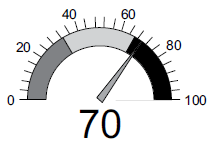
Ele pode ser classificado como
Provas
Considere a seguinte afirmação:
Eu nasci em São Paulo e estudei em Campinas.
Uma negação lógica para a afirmação acima é
Provas
Typography is the art of arranging letters and text in a way that makes the copy legible, clear, and visually appealing to the reader. It involves font style, appearance, and structure, which aims to elicit certain emotions and convey specific messages. In short, typography is what brings the text to life.
Typography can be dated back to the 11th century. Before the digital age, it was a specialized craft associated with books and magazines, and eventually public works. The first example of typography can be seen in the Gutenberg Bible, which stimulated a typography revolution in the west. Fun fact: the style of type used in the Gutenberg Bible is now known as Textura, and you’ll find it in the font dropdown menu on major desktop applications today!
There’s some confusion surrounding the difference between typefaces and fonts, with many treating the two as synonymous. There are differences, though. Put simply, a typeface is a family of related fonts, while fonts refer to the weights, widths, and styles that constitute a typeface.
It’s important that your website is visually stimulating and memorable, and typography plays a huge role in this process. It is so much more than just choosing beautiful fonts: it’s a vital component of user interface design. Good typography will establish a strong visual hierarchy and provide a graphic balance to the website. It should guide and inform the users, optimize readability and accessibility, and ensure an excellent user experience. It could be the difference between someone staying on your website for one minute or half an hour.
(https://careerfoundry.com/en/blog/ui-design/. Adaptado)
According to the text, typography
Provas
Typography is the art of arranging letters and text in a way that makes the copy legible, clear, and visually appealing to the reader. It involves font style, appearance, and structure, which aims to elicit certain emotions and convey specific messages. In short, typography is what brings the text to life.
Typography can be dated back to the 11th century. Before the digital age, it was a specialized craft associated with books and magazines, and eventually public works. The first example of typography can be seen in the Gutenberg Bible, which stimulated a typography revolution in the west. Fun fact: the style of type used in the Gutenberg Bible is now known as Textura, and you’ll find it in the font dropdown menu on major desktop applications today!
There’s some confusion surrounding the difference between typefaces and fonts, with many treating the two as synonymous. There are differences, though. Put simply, a typeface is a family of related fonts, while fonts refer to the weights, widths, and styles that constitute a typeface.
It’s important that your website is visually stimulating and memorable, and typography plays a huge role in this process. It is so much more than just choosing beautiful fonts: it’s a vital component of user interface design. Good typography will establish a strong visual hierarchy and provide a graphic balance to the website. It should guide and inform the users, optimize readability and accessibility, and ensure an excellent user experience. It could be the difference between someone staying on your website for one minute or half an hour.
(https://careerfoundry.com/en/blog/ui-design/. Adaptado)
In the concluding sentence in the fourth paragraph “It could be the difference between”, the word in bold letters refers to
Provas
Typography is the art of arranging letters and text in a way that makes the copy legible, clear, and visually appealing to the reader. It involves font style, appearance, and structure, which aims to elicit certain emotions and convey specific messages. In short, typography is what brings the text to life.
Typography can be dated back to the 11th century. Before the digital age, it was a specialized craft associated with books and magazines, and eventually public works. The first example of typography can be seen in the Gutenberg Bible, which stimulated a typography revolution in the west. Fun fact: the style of type used in the Gutenberg Bible is now known as Textura, and you’ll find it in the font dropdown menu on major desktop applications today!
There’s some confusion surrounding the difference between typefaces and fonts, with many treating the two as synonymous. There are differences, though. Put simply, a typeface is a family of related fonts, while fonts refer to the weights, widths, and styles that constitute a typeface.
It’s important that your website is visually stimulating and memorable, and typography plays a huge role in this process. It is so much more than just choosing beautiful fonts: it’s a vital component of user interface design. Good typography will establish a strong visual hierarchy and provide a graphic balance to the website. It should guide and inform the users, optimize readability and accessibility, and ensure an excellent user experience. It could be the difference between someone staying on your website for one minute or half an hour.
(https://careerfoundry.com/en/blog/ui-design/. Adaptado)
No excerto do terceiro parágrafo “Put simply, a typeface is a family of related fonts, while fonts refer to the weights, widths, and styles that constitute a typeface”, a palavra em negrito indica a ideia de
Provas
Caderno Container