Foram encontradas 36 questões.
Lee el texto abajo para contestar la pregunta
Salud asegura que el 75% de fallecidos por covid en septiembre no tenían vacuna
Las autoridades del Ministerio de Salud han insistido que la vacunación reduce el riesgo de muerte por covid-19. El titular de la cartera, Francisco Coma, aseguró que el 75% de muertos en septiembre no estaban inmunizados.
“Hicimos un estudio. De 1.000 fallecidos en el mes de septiembre el 75% no tenía vacuna, 23% una dosis y un 2% tenía dos dosis de vacunas. ¿Qué significa esto?, el esquema completo nos protege de enfermar gravemente y de morir”, detalló el funcionario durante una entrevista radial.
El avance de la vacunación en Latinoamérica.
Un informe de Diestra muestra que Latinoamérica vive su mejor momento de la pandemia, tras el fuerte avance de la vacunación. En todos los países se muestran los contagios a la baja, con excepción de República Dominicana y Chile, y en todos viene el descenso de la tasa de mortalidad.
Alrededor de 17 países de Latinoamérica y el Caribe han superado la mitad de la población con una dosis de la vacuna, tras la implementación de una fuerte campaña.
Disponible em: https://republica.gt/2021/11/11/muertos-covid-guatemala/ Acceso el: 12 de noviembre de 2021.
La palabra destacada en el texto puede ser SUSTITUIDA sin que haya pérdida de sentido por:
Provas

Lee el texto abajo para contestar la pregunta
Salud asegura que el 75% de fallecidos por covid en septiembre no tenían vacuna
Las autoridades del Ministerio de Salud han insistido que la vacunación reduce el riesgo de muerte por covid-19. El titular de la cartera, Francisco Coma, aseguró que el 75% de muertos en septiembre no estaban inmunizados.
“Hicimos un estudio. De 1.000 fallecidos en el mes de septiembre el 75% no tenía vacuna, 23% una dosis y un 2% tenía dos dosis de vacunas. ¿Qué significa esto?, el esquema completo nos protege de enfermar gravemente y de morir”, detalló el funcionario durante una entrevista radial.
El avance de la vacunación en Latinoamérica.
Un informe de Diestra muestra que Latinoamérica vive su mejor momento de la pandemia, tras el fuerte avance de la vacunación. En todos los países se muestran los contagios a la baja, con excepción de República Dominicana y Chile, y en todos viene el descenso de la tasa de mortalidad.
Alrededor de 17 países de Latinoamérica y el Caribe han superado la mitad de la población con una dosis de la vacuna, tras la implementación de una fuerte campaña.
Disponible em: https://republica.gt/2021/11/11/muertos-covid-guatemala/ Acceso el: 12 de noviembre de 2021.
El verbo destacado en el texto está conjugado en el pretérito perfecto simple e INDICA una acción:
Provas
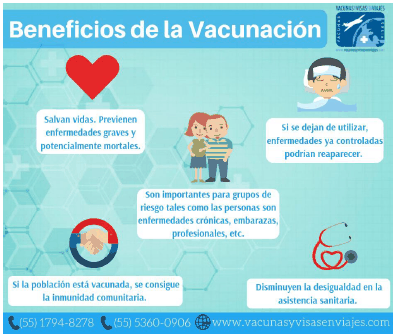
Disponible em: https://vacunasenviajes.com/blog/2019/10/15/laimportancia- de-las-vacunas/ Acceso el: 09 de noviembre de 2021.
Se puede afirmar, basándose en el texto arriba que con la vacunación:
Provas
Lee el texto abajo para contestar la pregunta
La importancia de las vacunas
Desde su descubrimiento, las vacunas han sido una medida fundamental para evitar la propagación de enfermedades. Según datos de la Organización Mundial de la Salud (OMS) se evitan entre 2 y 3 millones de muertes al año gracias a la inmunización que aporta la vacunación.
Las vacunas son aquellas preparaciones (producidas con toxoides, bacterias, virus atenuados muertos o realizadas por ingeniería genética y otras tecnologías) destinadas a generar inmunidad contra una enfermedad estimulando la producción de anticuerpos. El método más habitual para administrar las vacunas es la inyección, aunque algunas se administran con un vaporizador nasal u oral.
Es fundamental saber que todas las vacunas aprobadas son sometidas a pruebas rigurosas a lo largo de las diferentes fases de los ensayos clínicos, y siguen siendo evaluadas regularmente una vez comercializadas. Los científicos también siguen constantemente la información procedente de diferentes fuentes en busca de indicios de que una vacuna pueda tener efectos adversos.
Una vez que se administra una vacuna, el sistema inmunológico reconoce el antígeno, interpreta que se trata de la enfermedad y produce anticuerpos (defensas) contra esta.
Por eso, si la persona entra en contacto con el microorganismo contra el cual fue vacunada en algún momento de su vida, las defensas generadas gracias a la vacuna se encargan de protegerla para evitar la enfermedad o que esta sea leve.
Es importante estar vacunado durante todas las etapas de la vida, porque es una de las principales medidas para evitar un conjunto de enfermedades que pueden ser graves para nuestra salud, y así evitamos enfermarnos y contagiar a nuestra familia y otras personas.
Disponible en: http://ipsst.gov.ar/noticias/la-importancia-de-lasvacunas/. Acceso el: 08 de noviembre de 2021.
Por eso, si la persona entra en contacto con el microorganismo contra el cual fue vacunada en algún momento de su vida, las defensas generadas gracias a la vacuna se encargan de protegerla para evitar la enfermedad o que esta sea leve.
El término destacado en el texto arriba REFIÉRASE a:
Provas
Lee el texto abajo para contestar la pregunta
La importancia de las vacunas
Desde su descubrimiento, las vacunas han sido una medida fundamental para evitar la propagación de enfermedades. Según datos de la Organización Mundial de la Salud (OMS) se evitan entre 2 y 3 millones de muertes al año gracias a la inmunización que aporta la vacunación.
Las vacunas son aquellas preparaciones (producidas con toxoides, bacterias, virus atenuados muertos o realizadas por ingeniería genética y otras tecnologías) destinadas a generar inmunidad contra una enfermedad estimulando la producción de anticuerpos. El método más habitual para administrar las vacunas es la inyección, aunque algunas se administran con un vaporizador nasal u oral.
Es fundamental saber que todas las vacunas aprobadas son sometidas a pruebas rigurosas a lo largo de las diferentes fases de los ensayos clínicos, y siguen siendo evaluadas regularmente una vez comercializadas. Los científicos también siguen constantemente la información procedente de diferentes fuentes en busca de indicios de que una vacuna pueda tener efectos adversos.
Una vez que se administra una vacuna, el sistema inmunológico reconoce el antígeno, interpreta que se trata de la enfermedad y produce anticuerpos (defensas) contra esta.
Por eso, si la persona entra en contacto con el microorganismo contra el cual fue vacunada en algún momento de su vida, las defensas generadas gracias a la vacuna se encargan de protegerla para evitar la enfermedad o que esta sea leve.
Es importante estar vacunado durante todas las etapas de la vida, porque es una de las principales medidas para evitar un conjunto de enfermedades que pueden ser graves para nuestra salud, y así evitamos enfermarnos y contagiar a nuestra familia y otras personas.
Disponible en: http://ipsst.gov.ar/noticias/la-importancia-de-lasvacunas/. Acceso el: 08 de noviembre de 2021.
En el trecho: El método más habitual para administrar las vacunas es la inyección, aunque algunas se administran con un vaporizador nasal u oral.
La palabra em negrita PUEDE ser sustituida sin pérdida de sentido por:
Provas
Lee el texto abajo para contestar la pregunta
La importancia de las vacunas
Desde su descubrimiento, las vacunas han sido una medida fundamental para evitar la propagación de enfermedades. Según datos de la Organización Mundial de la Salud (OMS) se evitan entre 2 y 3 millones de muertes al año gracias a la inmunización que aporta la vacunación.
Las vacunas son aquellas preparaciones (producidas con toxoides, bacterias, virus atenuados muertos o realizadas por ingeniería genética y otras tecnologías) destinadas a generar inmunidad contra una enfermedad estimulando la producción de anticuerpos. El método más habitual para administrar las vacunas es la inyección, aunque algunas se administran con un vaporizador nasal u oral.
Es fundamental saber que todas las vacunas aprobadas son sometidas a pruebas rigurosas a lo largo de las diferentes fases de los ensayos clínicos, y siguen siendo evaluadas regularmente una vez comercializadas. Los científicos también siguen constantemente la información procedente de diferentes fuentes en busca de indicios de que una vacuna pueda tener efectos adversos.
Una vez que se administra una vacuna, el sistema inmunológico reconoce el antígeno, interpreta que se trata de la enfermedad y produce anticuerpos (defensas) contra esta.
Por eso, si la persona entra en contacto con el microorganismo contra el cual fue vacunada en algún momento de su vida, las defensas generadas gracias a la vacuna se encargan de protegerla para evitar la enfermedad o que esta sea leve.
Es importante estar vacunado durante todas las etapas de la vida, porque es una de las principales medidas para evitar un conjunto de enfermedades que pueden ser graves para nuestra salud, y así evitamos enfermarnos y contagiar a nuestra familia y otras personas.
Disponible en: http://ipsst.gov.ar/noticias/la-importancia-de-lasvacunas/. Acceso el: 08 de noviembre de 2021.
Según el texto, es CORRECTO afirmar que:
Provas
Going Back To College After 50: The New Normal?
Jul 1, 2018,07:00am EDT
Now that college commencement season is in the books, it's easy to picture an empty campus quad with ivy-clad buildings awaiting a new batch of eager young learners this fall. But many of this year’s graduates didn’t fit this profile.
Take Mike, for example — a student at Champlain College (where I am provost and senior vice president for academics). He recently completed a bachelor’s degree in integrated studies and is in his early 60s. Mike had a successful 30-year tech career, despite having earlier ended college at an associate degree. When his employer, a multinational telecommunications company, announced new technology initiatives and began encouraging its workforce to upskill in key areas like cybersecurity, Mike realized he needed to finally get his bachelor’s degree to remain competitive. Taking advantage of his employer’s partnership with our school’s online curriculum, he enrolled in his first cybersecurity course; three years later, Mike graduated with a bachelor’s and an in-demand, up-to-date technology skill set.
Many adult online students are already high-achieving people earning a decent living. They may have served their country in the military and may have begun college years ago. Some started families whose needs had to come first or just found that “real life” took over and sidelined their education plans.
Sometimes the joy of learning itself motivates an adult to enroll in college, but often there’s a practical payoff, too. Even in your 50s or 60s, there can be a significant economic upside to earning, or completing, that college degree.
The decision to go back to school as an adult with a host of competing priorities and responsibilities isn’t an easy one, however, and some people may question the value of getting an education later in life. In fact, a recent national survey from Champlain College Online (known for its career-focused adult education) found that 60% of U.S. adults age 23 to 55 without a bachelor’s degree have considered returning to school, but costs and student debt were deterrents.
While going back to school later in life isn’t the right choice for everyone, it’s becoming an increasingly attractive option, as more adults choose to delay retirement, the workforce becomes even more competitive and career shifts become more common.
[...]
Adults who make the brave choice to go back to school to earn a degree later in life won’t be alone. College classes are seeing increasing numbers of students like Mike, who, on the first day of class, are introducing themselves as career-changers, retirees and grandparents.
What was once the exception is now, more than ever, the norm.
From: https://www.forbes.com/sites/nextavenue/2018/07/01/goingback- to-college-after-50-the-new-normal/?sh=5847887c31ff. Access in: November 10th, 2021.
The word/expression from the text that could be easily replaced by the word aggressive with no problems in meaning change is:
Provas
Going Back To College After 50: The New Normal?
Jul 1, 2018,07:00am EDT
Now that college commencement season is in the books, it's easy to picture an empty campus quad with ivy-clad buildings awaiting a new batch of eager young learners this fall. But many of this year’s graduates didn’t fit this profile.
Take Mike, for example — a student at Champlain College (where I am provost and senior vice president for academics). He recently completed a bachelor’s degree in integrated studies and is in his early 60s. Mike had a successful 30-year tech career, despite having earlier ended college at an associate degree. When his employer, a multinational telecommunications company, announced new technology initiatives and began encouraging its workforce to upskill in key areas like cybersecurity, Mike realized he needed to finally get his bachelor’s degree to remain competitive. Taking advantage of his employer’s partnership with our school’s online curriculum, he enrolled in his first cybersecurity course; three years later, Mike graduated with a bachelor’s and an in-demand, up-to-date technology skill set.
Many adult online students are already high-achieving people earning a decent living. They may have served their country in the military and may have begun college years ago. Some started families whose needs had to come first or just found that “real life” took over and sidelined their education plans.
Sometimes the joy of learning itself motivates an adult to enroll in college, but often there’s a practical payoff, too. Even in your 50s or 60s, there can be a significant economic upside to earning, or completing, that college degree.
The decision to go back to school as an adult with a host of competing priorities and responsibilities isn’t an easy one, however, and some people may question the value of getting an education later in life. In fact, a recent national survey from Champlain College Online (known for its career-focused adult education) found that 60% of U.S. adults age 23 to 55 without a bachelor’s degree have considered returning to school, but costs and student debt were deterrents.
While going back to school later in life isn’t the right choice for everyone, it’s becoming an increasingly attractive option, as more adults choose to delay retirement, the workforce becomes even more competitive and career shifts become more common.
[...]
Adults who make the brave choice to go back to school to earn a degree later in life won’t be alone. College classes are seeing increasing numbers of students like Mike, who, on the first day of class, are introducing themselves as career-changers, retirees and grandparents.
What was once the exception is now, more than ever, the norm.
From: https://www.forbes.com/sites/nextavenue/2018/07/01/goingback- to-college-after-50-the-new-normal/?sh=5847887c31ff. Access in: November 10th, 2021.
In the sentence “College classes are seeing increasing numbers of students like Mike, who, on the first day of class, are introducing themselves as careerchangers, retirees and grandparents”, the word who refers to:
Provas
Going Back To College After 50: The New Normal?
Jul 1, 2018,07:00am EDT
Now that college commencement season is in the books, it's easy to picture an empty campus quad with ivy-clad buildings awaiting a new batch of eager young learners this fall. But many of this year’s graduates didn’t fit this profile.
Take Mike, for example — a student at Champlain College (where I am provost and senior vice president for academics). He recently completed a bachelor’s degree in integrated studies and is in his early 60s. Mike had a successful 30-year tech career, despite having earlier ended college at an associate degree. When his employer, a multinational telecommunications company, announced new technology initiatives and began encouraging its workforce to upskill in key areas like cybersecurity, Mike realized he needed to finally get his bachelor’s degree to remain competitive. Taking advantage of his employer’s partnership with our school’s online curriculum, he enrolled in his first cybersecurity course; three years later, Mike graduated with a bachelor’s and an in-demand, up-to-date technology skill set.
Many adult online students are already high-achieving people earning a decent living. They may have served their country in the military and may have begun college years ago. Some started families whose needs had to come first or just found that “real life” took over and sidelined their education plans.
Sometimes the joy of learning itself motivates an adult to enroll in college, but often there’s a practical payoff, too. Even in your 50s or 60s, there can be a significant economic upside to earning, or completing, that college degree.
The decision to go back to school as an adult with a host of competing priorities and responsibilities isn’t an easy one, however, and some people may question the value of getting an education later in life. In fact, a recent national survey from Champlain College Online (known for its career-focused adult education) found that 60% of U.S. adults age 23 to 55 without a bachelor’s degree have considered returning to school, but costs and student debt were deterrents.
While going back to school later in life isn’t the right choice for everyone, it’s becoming an increasingly attractive option, as more adults choose to delay retirement, the workforce becomes even more competitive and career shifts become more common.
[...]
Adults who make the brave choice to go back to school to earn a degree later in life won’t be alone. College classes are seeing increasing numbers of students like Mike, who, on the first day of class, are introducing themselves as career-changers, retirees and grandparents.
What was once the exception is now, more than ever, the norm.
From: https://www.forbes.com/sites/nextavenue/2018/07/01/goingback- to-college-after-50-the-new-normal/?sh=5847887c31ff. Access in: November 10th, 2021.
We can infer, from the text, that:
Provas
Going Back To College After 50: The New Normal?
Jul 1, 2018,07:00am EDT
Now that college commencement season is in the books, it's easy to picture an empty campus quad with ivy-clad buildings awaiting a new batch of eager young learners this fall. But many of this year’s graduates didn’t fit this profile.
Take Mike, for example — a student at Champlain College (where I am provost and senior vice president for academics). He recently completed a bachelor’s degree in integrated studies and is in his early 60s. Mike had a successful 30-year tech career, despite having earlier ended college at an associate degree. When his employer, a multinational telecommunications company, announced new technology initiatives and began encouraging its workforce to upskill in key areas like cybersecurity, Mike realized he needed to finally get his bachelor’s degree to remain competitive. Taking advantage of his employer’s partnership with our school’s online curriculum, he enrolled in his first cybersecurity course; three years later, Mike graduated with a bachelor’s and an in-demand, up-to-date technology skill set.
Many adult online students are already high-achieving people earning a decent living. They may have served their country in the military and may have begun college years ago. Some started families whose needs had to come first or just found that “real life” took over and sidelined their education plans.
Sometimes the joy of learning itself motivates an adult to enroll in college, but often there’s a practical payoff, too. Even in your 50s or 60s, there can be a significant economic upside to earning, or completing, that college degree.
The decision to go back to school as an adult with a host of competing priorities and responsibilities isn’t an easy one, however, and some people may question the value of getting an education later in life. In fact, a recent national survey from Champlain College Online (known for its career-focused adult education) found that 60% of U.S. adults age 23 to 55 without a bachelor’s degree have considered returning to school, but costs and student debt were deterrents.
While going back to school later in life isn’t the right choice for everyone, it’s becoming an increasingly attractive option, as more adults choose to delay retirement, the workforce becomes even more competitive and career shifts become more common.
[...]
Adults who make the brave choice to go back to school to earn a degree later in life won’t be alone. College classes are seeing increasing numbers of students like Mike, who, on the first day of class, are introducing themselves as career-changers, retirees and grandparents.
What was once the exception is now, more than ever, the norm.
From: https://www.forbes.com/sites/nextavenue/2018/07/01/goingback- to-college-after-50-the-new-normal/?sh=5847887c31ff. Access in: November 10th, 2021.
The author states that many adult online students have a profile that shows they:
Provas
Caderno Container