Magna Concursos

Foram encontradas 448 questões.

1151228 Ano: 2016
Disciplina: Psicologia
Banca: INAZ do Pará
Orgão: Pref. Itaúna-MG
Provas:
Freud, na teoria psicanalítica do desenvolvimento, acreditava que a criança passa por estágios psicossexuais, e cada um desse tende a estar localizado em uma zona erógena específica. Diante do exposto, assinale a alternativa correta sobre o estágio fálico:
 

Provas

Questão presente nas seguintes provas

1145799 Ano: 2016
Disciplina: Farmácia
Banca: INAZ do Pará
Orgão: Pref. Itaúna-MG
Provas:
Ligam-se à subunidade ribossômica 50S, inibindo a síntese da proteína bacteriana. Isso resulta em diminuição na função e na replicação celular bacteriana. Estamos falando da ação dos antibióticos da classe do(a)s:
 

Provas

Questão presente nas seguintes provas
1078161 Ano: 2016
Disciplina: Legislação de Trânsito
Banca: INAZ do Pará
Orgão: Pref. Itaúna-MG

Quando um condutor desrespeita uma norma de trânsito, de circulação e de conduta, em conformidade a Lei 9.503/97, consequentemente estará:


Provas

Questão presente nas seguintes provas
1078013 Ano: 2016
Disciplina: Saúde Pública
Banca: INAZ do Pará
Orgão: Pref. Itaúna-MG
Provas:
Assinale a opção que não se inclui na vigilância epidemiológica de doenças não transmissíveis.
 

Provas

Questão presente nas seguintes provas
1077823 Ano: 2016
Disciplina: Enfermagem
Banca: INAZ do Pará
Orgão: Pref. Itaúna-MG
Sobre os cuidados na administração de medicação, marque a opção errada:
 

Provas

Questão presente nas seguintes provas
1064697 Ano: 2016
Disciplina: Engenharia Civil
Banca: INAZ do Pará
Orgão: Pref. Itaúna-MG
Provas:
Qual o comprimento b de um loteamento sabendo-se que a diagonal a foi representada por uma linha com 8 cm de comprimento, em que a escala do desenho é de 1:500?
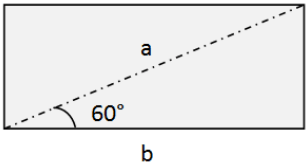
Enunciado 2649932-1
 

Provas

Questão presente nas seguintes provas
961351 Ano: 2016
Disciplina: Direito Sanitário
Banca: INAZ do Pará
Orgão: Pref. Itaúna-MG
Provas:
Compete ao Serviço Autônomo de Água e Esgoto o exame periódico das redes e instalações, com o objetivo de constatar:
 

Provas

Questão presente nas seguintes provas
961285 Ano: 2016
Disciplina: Pedagogia
Banca: INAZ do Pará
Orgão: Pref. Itaúna-MG
Provas:
“São os resultados e os conhecimentos adquiridos ao longo do processo de ensino/ aprendizagem”, esta afirmativa corresponde à qual tipo de método de avaliação?
 

Provas

Questão presente nas seguintes provas
957812 Ano: 2016
Disciplina: Biologia
Banca: INAZ do Pará
Orgão: Pref. Itaúna-MG
Provas:
É correto afirmar que os bronquíolos quando estão obstruídos impedem que o oxigênio chegue até:
 

Provas

Questão presente nas seguintes provas
955724 Ano: 2016
Disciplina: Inglês (Língua Inglesa)
Banca: INAZ do Pará
Orgão: Pref. Itaúna-MG
Provas:
Is English a form of linguistic imperialism?
By Anne Burns
Anne Burns of Aston University, Birmingham, and University of New South Wales, Sydney prepares to moderate a discussion on this topic at this year’s International Association of Teachers of English as a Foreign Language (IATEFL) annual conference.
In 1992, a book appeared in the field of applied linguistics that presented English language teachers with a highly challenging, even shocking, proposition. The author, Robert Phillipson, argued that the global teaching of English was an act of linguistic imperialism. One of the major arguments in his Linguistic Imperialism was that the spread of English, much of which had occurred through its prominence in global language education, has served to undermine the rights of other languages and to marginalise the opportunities that should exist for widespread multilingual education. Since the 18th century, Phillipson argues, the spread of English has accompanied the political and economic intentions of English-speaking nations to conquer other countries. He claims this endangers their cultural ideals, their ways of life and their indigenous languages. Collectively, English language teaching and its major agencies, such as the British Council, have been implicated in perpetuating myths about the significance and necessity of learning English and in ensuring that English has outstripped the teaching of other languages worldwide. Phillipson calls for radical change in language policy to redress the balance and to promote the multilingualism that reflects the more natural state of language use around the world. Phillipson’s arguments have also provoked a number of criticisms, among which are making teachers feel unnecessarily guilty about teaching English, and adopting a patronising attitude towards developing countries by assuming they are incapable of making their own decisions about language choice. It has also been pointed out that a language cannot, in itself, be imperialistic. Two decades on from when Phillipson’s book was published, we have another opportunity to debate his provocative questions about linguistic imperialism during this week’s IATEFL conference in Liverpool. The discussion is sure to provoke, challenge and stimulate, but what kinds of questions are likely to emerge? There are some that are still at the very centre of the debate: Are English language teachers promoters of linguistic imperialism? Or do they give learners access to a very important linguistic tool that helps individuals and economies to develop and compete globally? These questions continue to merit very serious consideration. Moreover, as globalisation spreads and investment in English language learning increases, other questions continue to arise. Does the global spread of the English language threaten local languages, cultures and identities? Do these need to be safeguarded? What are the forces behind the spread of English? Is the dominance of English online a threat?
(Fonte: < https://www.britishcouncil.org/voices-magazine/english-form-linguistic-imperialism>. Acesso em: 01/07/2016)
De acordo com os terceiros e quarto parágrafos, o autor afirma:
 

Provas

Questão presente nas seguintes provas