Foram encontradas 80 questões.
1087178
Ano: 2018
Disciplina: Administração Financeira e Orçamentária
Banca: FGV
Orgão: Pref. Niterói-RJ
Disciplina: Administração Financeira e Orçamentária
Banca: FGV
Orgão: Pref. Niterói-RJ
A Prefeitura de Vila Grande decide alugar uma edificação onde
funcionava uma escola municipal, agora desativada.
Após o devido processo legal, o contrato é firmado com um
particular para a instalação de uma fábrica de roupas no local.
Com base nas regras orçamentárias, a origem da receita do
aluguel será classificada como
Provas
Questão presente nas seguintes provas

No ano de 2017, o limite de gastos com pessoal do Ministério
Público de um determinado Estado da Federação foi de R$ 400
mil, de acordo com a Lei de Responsabilidade Fiscal (LRF). Sendo assim, é correto dizer que o limite de gastos com pessoal
do Judiciário desse Estado foi de
Provas
Questão presente nas seguintes provas
1087174
Ano: 2018
Disciplina: Administração Financeira e Orçamentária
Banca: FGV
Orgão: Pref. Niterói-RJ
Disciplina: Administração Financeira e Orçamentária
Banca: FGV
Orgão: Pref. Niterói-RJ
Cinco empreiteiras, interessadas em participar de uma licitação
de obra pública promovida pela Prefeitura do Município X,
entregam o valor de R$ 200 mil em caução.
Em relação a esse tipo de procedimento, assinale a afirmativa
correta.
Provas
Questão presente nas seguintes provas
1087172
Ano: 2018
Disciplina: Administração Financeira e Orçamentária
Banca: FGV
Orgão: Pref. Niterói-RJ
Disciplina: Administração Financeira e Orçamentária
Banca: FGV
Orgão: Pref. Niterói-RJ
Algumas fontes de recursos para créditos adicionais provocam
um aumento no valor global do orçamento, estando incluída(s),
entre elas,
Provas
Questão presente nas seguintes provas
1087168
Ano: 2018
Disciplina: Administração Financeira e Orçamentária
Banca: FGV
Orgão: Pref. Niterói-RJ
Disciplina: Administração Financeira e Orçamentária
Banca: FGV
Orgão: Pref. Niterói-RJ
Em meio a uma obra pública, o prefeito de um município percebe
que determinado procedimento terá um custo maior do que o
previsto e solicita ao legislativo municipal, com sucesso, a
abertura de créditos adicionais.
Considerando que o decreto de abertura desses créditos foi feito
em novembro e constará na própria Lei Orçamentária Anual
(LOA), é correto afirmar que a modalidade será a de créditos
Provas
Questão presente nas seguintes provas
1087165
Ano: 2018
Disciplina: Administração Financeira e Orçamentária
Banca: FGV
Orgão: Pref. Niterói-RJ
Disciplina: Administração Financeira e Orçamentária
Banca: FGV
Orgão: Pref. Niterói-RJ
Relacione os diferentes orçamentos da Lei Orçamentária Anual aos seus respectivos exemplos.
- Orçamento Fiscal
- Orçamento de Investimento das Estatais
- Orçamento de Seguridade Social
( ) Aquisição de um ativo imobilizado por uma estatal independente
( ) Pagamento de Bolsa Família
( ) Amortização da Dívida Pública Federal
Assinale a opção que apresenta a relação correta, segundo a ordem apresentada.
Provas
Questão presente nas seguintes provas
- Lei 4.320/1964: Normas Gerais de Direito FinanceiroDecreto Sobre a Programação Orçamentária e Financeira - Lei 4.320 de 1964
A Câmara Municipal realizou procedimento licitatório para
contratação de serviço de informática. Homologado o resultado
do certame, efetivou o empenho da despesa relativa antes de
celebrado o contrato.
Neste caso, o procedimento adotado
Provas
Questão presente nas seguintes provas
No que concerne ao limite de gastos do último ano de mandato
do Prefeito, o Sistema de Controle Interno deve
Provas
Questão presente nas seguintes provas
READ TEXT II AND ANSWER TO THE QUESTION.
TEXT II
Blockchain: An opportunity for accountants? Or a threat?
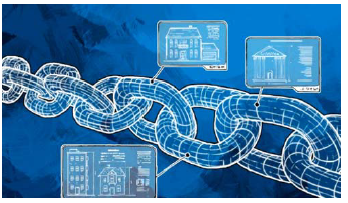
(Source: https://www.multirede.com.br/wpcontent/uploads/2017/09/blcokchain2.png.
Retrieved on January 25th
2018)
By Ken Tysiac
November 17, 2017
The emergence of blockchain technology has led to a concern in
the CPA profession that is perfectly understandable.
Technological advances can threaten people’s livelihoods in any
number of professions. The development of the Internet had a
devastating effect on newspaper journalists, and some experts
say self-driving vehicles may cause huge job losses among truck
drivers.
Blockchain, meanwhile, has implications for the accounting
profession. Blockchain is a digital ledger on which transactions
are recorded chronologically and can be viewed by all who have
access. The technology is expected to affect auditing,
cybersecurity, and financial planning and analysis.
Erik Asgeirsson, president and CEO of CPA.com, the technology
arm of the AICPA, said that some CPAs have anxiety that
blockchain might put audit professionals out of business. But
while blockchain is likely to change the way CPAs work, he said,
he is telling accounting firm leaders that the accounting
profession can continue to thrive through the use of blockchain
technology.
“It’s going to be a fantastic, secure database that will have uses,”
he said during a panel presentation Tuesday at the Wall Street
Blockchain Alliance’s Blockchain for Wall Street education day in
New York City. “But it’s not going to put them out of work.”
Large and medium-size CPA firms already are seeing the
implications of blockchain for their clients, Amy Pawlicki, CPA,
vice president–Assurance & Advisory Innovation for the
Association of International Certified Professional Accountants,
said during the panel session. Companies are implementing
blockchain into their enterprise resource planning (ERP) systems,
particularly for tasks such as procurement and supplier
management.
Blockchain’s ledger-based technology can simplify the
procurement process because it enables secure recording of
transactions in a way that can lead to unprecedented
transparency and increased operational efficiency.
“Our auditors are already auditing transactions in the
blockchain,” Pawlicki said.
Blockchain’s transparency gives visibility to all transactions for
approved users, and this may decrease auditors’ work with
sampling and validating transactions. But this allows auditors
more time to focus on controls and investigating anomalies.
Meanwhile, opportunities are emerging for CPAs to use
blockchain technology as they expand their assurance services to
areas such as cybersecurity and sustainability.
“We’ve got a lot of work to do … it’s a great opportunity in an
area where CPAs can add a lot of value,” Pawlicki said.
An important next step for the profession in the use of blockchain
is accommodations for the technology from standard setters and
regulators. SEC Chief Accountant Wesley Bricker, CPA, J.D, said
Tuesday that the commission’s Office of the Chief Accountant is
investing time in understanding blockchain technologies, and
suggested that accounting professionals do the same.
“It is important that those in the accounting profession invest the
time to understand new trends and developments in technology
and commerce to identify their potential effects on financial
reporting to investors,” Bricker said during a speech at a Financial
Executives International conference in New York City.
Past developments such as the emergence of computers, ERP
systems, and cloud computing have merely changed CPAs’ work
instead of making them irrelevant. The same can be true with
blockchain, Asgeirsson said.
“Through every phase,” Asgeirsson said, “what’s really happened
is that the accountant’s and the auditor’s role has just evolved.”
(Source:https://www.journalofaccountancy.com/news/2017/nov/blockch
ain-opportunity-for-accountants-201717900.html. Retrieved on January
22nd, 2018)
Glossary:
CEO: Chief Executive Officer
CPA: Certified Public Accountant
ERP: Enterprise Resource Planning
AICPA: American Institute of Certified Public Accountants
Provas
Questão presente nas seguintes provas
READ TEXT II AND ANSWER TO THE QUESTION.
TEXT II
Blockchain: An opportunity for accountants? Or a threat?
(Source: https://www.multirede.com.br/wpcontent/uploads/2017/09/blcokchain2.png.
Retrieved on January 25th
2018)
By Ken Tysiac
November 17, 2017
The emergence of blockchain technology has led to a concern in
the CPA profession that is perfectly understandable.
Technological advances can threaten people’s livelihoods in any
number of professions. The development of the Internet had a
devastating effect on newspaper journalists, and some experts
say self-driving vehicles may cause huge job losses among truck
drivers.
Blockchain, meanwhile, has implications for the accounting
profession. Blockchain is a digital ledger on which transactions
are recorded chronologically and can be viewed by all who have
access. The technology is expected to affect auditing,
cybersecurity, and financial planning and analysis.
Erik Asgeirsson, president and CEO of CPA.com, the technology
arm of the AICPA, said that some CPAs have anxiety that
blockchain might put audit professionals out of business. But
while blockchain is likely to change the way CPAs work, he said,
he is telling accounting firm leaders that the accounting
profession can continue to thrive through the use of blockchain
technology.
“It’s going to be a fantastic, secure database that will have uses,”
he said during a panel presentation Tuesday at the Wall Street
Blockchain Alliance’s Blockchain for Wall Street education day in
New York City. “But it’s not going to put them out of work.”
Large and medium-size CPA firms already are seeing the
implications of blockchain for their clients, Amy Pawlicki, CPA,
vice president–Assurance & Advisory Innovation for the
Association of International Certified Professional Accountants,
said during the panel session. Companies are implementing
blockchain into their enterprise resource planning (ERP) systems,
particularly for tasks such as procurement and supplier
management.
Blockchain’s ledger-based technology can simplify the
procurement process because it enables secure recording of
transactions in a way that can lead to unprecedented
transparency and increased operational efficiency.
“Our auditors are already auditing transactions in the
blockchain,” Pawlicki said.
Blockchain’s transparency gives visibility to all transactions for
approved users, and this may decrease auditors’ work with
sampling and validating transactions. But this allows auditors
more time to focus on controls and investigating anomalies.
Meanwhile, opportunities are emerging for CPAs to use
blockchain technology as they expand their assurance services to
areas such as cybersecurity and sustainability.
“We’ve got a lot of work to do … it’s a great opportunity in an
area where CPAs can add a lot of value,” Pawlicki said.
An important next step for the profession in the use of blockchain
is accommodations for the technology from standard setters and
regulators. SEC Chief Accountant Wesley Bricker, CPA, J.D, said
Tuesday that the commission’s Office of the Chief Accountant is
investing time in understanding blockchain technologies, and
suggested that accounting professionals do the same.
“It is important that those in the accounting profession invest the
time to understand new trends and developments in technology
and commerce to identify their potential effects on financial
reporting to investors,” Bricker said during a speech at a Financial
Executives International conference in New York City.
Past developments such as the emergence of computers, ERP
systems, and cloud computing have merely changed CPAs’ work
instead of making them irrelevant. The same can be true with
blockchain, Asgeirsson said.
“Through every phase,” Asgeirsson said, “what’s really happened
is that the accountant’s and the auditor’s role has just evolved.”
(Source:https://www.journalofaccountancy.com/news/2017/nov/blockch
ain-opportunity-for-accountants-201717900.html. Retrieved on January
22nd, 2018)
Glossary:
CEO: Chief Executive Officer
CPA: Certified Public Accountant
ERP: Enterprise Resource Planning
AICPA: American Institute of Certified Public Accountants
Provas
Questão presente nas seguintes provas
Cadernos
Caderno Container