Foram encontradas 210 questões.
- GeometriaGeometria PlanaTriângulosTriângulos RetângulosRelações Métricas no Triângulo Retângulo
- TrigonometriaSeno, Cosseno e Tangente
- TrigonometriaLeis dos Senos e Cossenos.
Na Figura 1 abaixo, o triângulo ABC é retângulo e o ponto D é o pé da perpendicular traçada de B à hipotenusa AC.
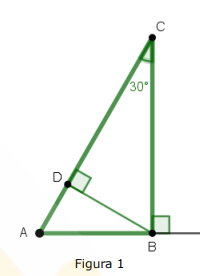
Sabendo que o ângulo \( B\hat{C}A \) e o lado AB medem, respectivamente, 30º e 5 cm, qual é a medida do segmento AD (em cm)?
Provas

Provas
Provas
Provas
Provas
Disciplina: Inglês (Língua Inglesa)
Banca: FUNDATEC
Orgão: Pref. Morro Reuter-RS
US teens getting less sleep than ever, new report finds
By Marina Dunbar
A new study from the University of Minnesota School of Public Health shows that today’s
teenagers are sleeping less than ever before. The findings showed a consistent decline in sleep
across every age category. The latest figures revealed record-low sleep levels for all groups, with
only 22% of older adolescents saying they slept at least seven hours each night.
“Some barriers to sleep faced by teens have existed across generations, such as the
increased homework and extracurricular demands that come with high school, social pressures
to stay up late with peers, and jobs,” said Rachel Widome, lead author on the study.
The greatest impact was seen among older adolescents. Sleep time steadily declines as
teens age, while both sleep duration and feelings of getting enough rest drop significantly from
early adolescence to later teen years.
For the study, researchers analyzed data from Monitoring the Future, a long-running
national survey representing more than 400,000 US students in grades eight, ten and twelve
from 1991 through 2023. Participants responded to two primary questions: how often they slept
at least seven hours per night and how often they believed they were getting enough rest.
Insufficient sleep contributes ____ everyday exhaustion and inhibited functioning, while
also being linked ____ longer-term issues such as mental health problems, struggles in school
and chronic illnesses later in adulthood.
While surging screen time may seem like the obvious culprit, the root cause may
point ____ deeper feelings of social isolation and burnout. Recent high school student-led
research showed that roughly two-thirds of California teens reported experiencing burnout and
anxiety. The same research suggested that around a quarter of students believe they only have
enough time to meet basic needs, such as sleep, eating and hygiene, two days a week or less.
Jolie Delja, executive director of Aim Youth Mental Health, said that the respondents
and the chance to learn and practice coping skills like breathing and mindfulness during calm
“connected this directly ____ relentless academic pressure.” “They asked for time to slow down,
and coping tools that already help them manage stress, including getting more sleep.”
moments, not just crisis ones,” Delja said. “Schools and communities do not need to invent
entirely new solutions. They need to give students more time and space for the people, activities
Studies have also shown that teens who go to bed earlier and sleep for longer than their
peers tend to have sharper mental skills and score better on cognitive tests.
Although researchers say there is no single nationwide fix, they point to broader structural
approaches that could help large groups of adolescents. One approach that the researchers
suggest is to delay high school start times to 8.30 am or later. “Earlier starts are in direct conflict
with preset rhythms of adolescent circadian biology,” Widome said.
“A nation of sleep-deprived adolescents is not inevitable,” she added. “We should embrace
a culture of sleep, where sleep is actually valued and where we commit to enacting policies and
other interventions that promote healthy sleep for everyone.”
(Available at: www.theguardian.com/us-news/2026/may/15/teens-get-less-sleep-study – text specially adapted for this test).
Mark the alternative that fills in, correctly and respectively, the blanks in the sentences above.
Provas
Disciplina: Inglês (Língua Inglesa)
Banca: FUNDATEC
Orgão: Pref. Morro Reuter-RS
US teens getting less sleep than ever, new report finds
By Marina Dunbar
A new study from the University of Minnesota School of Public Health shows that today’s
teenagers are sleeping less than ever before. The findings showed a consistent decline in sleep
across every age category. The latest figures revealed record-low sleep levels for all groups, with
only 22% of older adolescents saying they slept at least seven hours each night.
“Some barriers to sleep faced by teens have existed across generations, such as the
increased homework and extracurricular demands that come with high school, social pressures
to stay up late with peers, and jobs,” said Rachel Widome, lead author on the study.
The greatest impact was seen among older adolescents. Sleep time steadily declines as
teens age, while both sleep duration and feelings of getting enough rest drop significantly from
early adolescence to later teen years.
For the study, researchers analyzed data from Monitoring the Future, a long-running
national survey representing more than 400,000 US students in grades eight, ten and twelve
from 1991 through 2023. Participants responded to two primary questions: how often they slept
at least seven hours per night and how often they believed they were getting enough rest.
Insufficient sleep contributes ____ everyday exhaustion and inhibited functioning, while
also being linked ____ longer-term issues such as mental health problems, struggles in school
and chronic illnesses later in adulthood.
While surging screen time may seem like the obvious culprit, the root cause may
point ____ deeper feelings of social isolation and burnout. Recent high school student-led
research showed that roughly two-thirds of California teens reported experiencing burnout and
anxiety. The same research suggested that around a quarter of students believe they only have
enough time to meet basic needs, such as sleep, eating and hygiene, two days a week or less.
Jolie Delja, executive director of Aim Youth Mental Health, said that the respondents
and the chance to learn and practice coping skills like breathing and mindfulness during calm
“connected this directly ____ relentless academic pressure.” “They asked for time to slow down,
and coping tools that already help them manage stress, including getting more sleep.”
moments, not just crisis ones,” Delja said. “Schools and communities do not need to invent
entirely new solutions. They need to give students more time and space for the people, activities
Studies have also shown that teens who go to bed earlier and sleep for longer than their
peers tend to have sharper mental skills and score better on cognitive tests.
Although researchers say there is no single nationwide fix, they point to broader structural
approaches that could help large groups of adolescents. One approach that the researchers
suggest is to delay high school start times to 8.30 am or later. “Earlier starts are in direct conflict
with preset rhythms of adolescent circadian biology,” Widome said.
“A nation of sleep-deprived adolescents is not inevitable,” she added. “We should embrace
a culture of sleep, where sleep is actually valued and where we commit to enacting policies and
other interventions that promote healthy sleep for everyone.”
(Available at: www.theguardian.com/us-news/2026/may/15/teens-get-less-sleep-study – text specially adapted for this test).
Provas
Disciplina: Inglês (Língua Inglesa)
Banca: FUNDATEC
Orgão: Pref. Morro Reuter-RS
US teens getting less sleep than ever, new report finds
By Marina Dunbar
A new study from the University of Minnesota School of Public Health shows that today’s
teenagers are sleeping less than ever before. The findings showed a consistent decline in sleep
across every age category. The latest figures revealed record-low sleep levels for all groups, with
only 22% of older adolescents saying they slept at least seven hours each night.
“Some barriers to sleep faced by teens have existed across generations, such as the
increased homework and extracurricular demands that come with high school, social pressures
to stay up late with peers, and jobs,” said Rachel Widome, lead author on the study.
The greatest impact was seen among older adolescents. Sleep time steadily declines as
teens age, while both sleep duration and feelings of getting enough rest drop significantly from
early adolescence to later teen years.
For the study, researchers analyzed data from Monitoring the Future, a long-running
national survey representing more than 400,000 US students in grades eight, ten and twelve
from 1991 through 2023. Participants responded to two primary questions: how often they slept
at least seven hours per night and how often they believed they were getting enough rest.
Insufficient sleep contributes ____ everyday exhaustion and inhibited functioning, while
also being linked ____ longer-term issues such as mental health problems, struggles in school
and chronic illnesses later in adulthood.
While surging screen time may seem like the obvious culprit, the root cause may
point ____ deeper feelings of social isolation and burnout. Recent high school student-led
research showed that roughly two-thirds of California teens reported experiencing burnout and
anxiety. The same research suggested that around a quarter of students believe they only have
enough time to meet basic needs, such as sleep, eating and hygiene, two days a week or less.
Jolie Delja, executive director of Aim Youth Mental Health, said that the respondents
and the chance to learn and practice coping skills like breathing and mindfulness during calm
“connected this directly ____ relentless academic pressure.” “They asked for time to slow down,
and coping tools that already help them manage stress, including getting more sleep.”
moments, not just crisis ones,” Delja said. “Schools and communities do not need to invent
entirely new solutions. They need to give students more time and space for the people, activities
Studies have also shown that teens who go to bed earlier and sleep for longer than their
peers tend to have sharper mental skills and score better on cognitive tests.
Although researchers say there is no single nationwide fix, they point to broader structural
approaches that could help large groups of adolescents. One approach that the researchers
suggest is to delay high school start times to 8.30 am or later. “Earlier starts are in direct conflict
with preset rhythms of adolescent circadian biology,” Widome said.
“A nation of sleep-deprived adolescents is not inevitable,” she added. “We should embrace
a culture of sleep, where sleep is actually valued and where we commit to enacting policies and
other interventions that promote healthy sleep for everyone.”
(Available at: www.theguardian.com/us-news/2026/may/15/teens-get-less-sleep-study – text specially adapted for this test).
I. Modifying school start times is presented as a possible strategy to benefit adolescents. II. Early school starts are incompatible with adolescents’ biological rhythms. III. Rachel Widome believes that sleep deprivation among adolescents is unavoidable.
Which ones are correct?
Provas
Disciplina: Inglês (Língua Inglesa)
Banca: FUNDATEC
Orgão: Pref. Morro Reuter-RS
US teens getting less sleep than ever, new report finds
By Marina Dunbar
A new study from the University of Minnesota School of Public Health shows that today’s
teenagers are sleeping less than ever before. The findings showed a consistent decline in sleep
across every age category. The latest figures revealed record-low sleep levels for all groups, with
only 22% of older adolescents saying they slept at least seven hours each night.
“Some barriers to sleep faced by teens have existed across generations, such as the
increased homework and extracurricular demands that come with high school, social pressures
to stay up late with peers, and jobs,” said Rachel Widome, lead author on the study.
The greatest impact was seen among older adolescents. Sleep time steadily declines as
teens age, while both sleep duration and feelings of getting enough rest drop significantly from
early adolescence to later teen years.
For the study, researchers analyzed data from Monitoring the Future, a long-running
national survey representing more than 400,000 US students in grades eight, ten and twelve
from 1991 through 2023. Participants responded to two primary questions: how often they slept
at least seven hours per night and how often they believed they were getting enough rest.
Insufficient sleep contributes ____ everyday exhaustion and inhibited functioning, while
also being linked ____ longer-term issues such as mental health problems, struggles in school
and chronic illnesses later in adulthood.
While surging screen time may seem like the obvious culprit, the root cause may
point ____ deeper feelings of social isolation and burnout. Recent high school student-led
research showed that roughly two-thirds of California teens reported experiencing burnout and
anxiety. The same research suggested that around a quarter of students believe they only have
enough time to meet basic needs, such as sleep, eating and hygiene, two days a week or less.
Jolie Delja, executive director of Aim Youth Mental Health, said that the respondents
and the chance to learn and practice coping skills like breathing and mindfulness during calm
“connected this directly ____ relentless academic pressure.” “They asked for time to slow down,
and coping tools that already help them manage stress, including getting more sleep.”
moments, not just crisis ones,” Delja said. “Schools and communities do not need to invent
entirely new solutions. They need to give students more time and space for the people, activities
Studies have also shown that teens who go to bed earlier and sleep for longer than their
peers tend to have sharper mental skills and score better on cognitive tests.
Although researchers say there is no single nationwide fix, they point to broader structural
approaches that could help large groups of adolescents. One approach that the researchers
suggest is to delay high school start times to 8.30 am or later. “Earlier starts are in direct conflict
with preset rhythms of adolescent circadian biology,” Widome said.
“A nation of sleep-deprived adolescents is not inevitable,” she added. “We should embrace
a culture of sleep, where sleep is actually valued and where we commit to enacting policies and
other interventions that promote healthy sleep for everyone.”
(Available at: www.theguardian.com/us-news/2026/may/15/teens-get-less-sleep-study – text specially adapted for this test).
Provas
Disciplina: Inglês (Língua Inglesa)
Banca: FUNDATEC
Orgão: Pref. Morro Reuter-RS
US teens getting less sleep than ever, new report finds
By Marina Dunbar
A new study from the University of Minnesota School of Public Health shows that today’s
teenagers are sleeping less than ever before. The findings showed a consistent decline in sleep
across every age category. The latest figures revealed record-low sleep levels for all groups, with
only 22% of older adolescents saying they slept at least seven hours each night.
“Some barriers to sleep faced by teens have existed across generations, such as the
increased homework and extracurricular demands that come with high school, social pressures
to stay up late with peers, and jobs,” said Rachel Widome, lead author on the study.
The greatest impact was seen among older adolescents. Sleep time steadily declines as
teens age, while both sleep duration and feelings of getting enough rest drop significantly from
early adolescence to later teen years.
For the study, researchers analyzed data from Monitoring the Future, a long-running
national survey representing more than 400,000 US students in grades eight, ten and twelve
from 1991 through 2023. Participants responded to two primary questions: how often they slept
at least seven hours per night and how often they believed they were getting enough rest.
Insufficient sleep contributes ____ everyday exhaustion and inhibited functioning, while
also being linked ____ longer-term issues such as mental health problems, struggles in school
and chronic illnesses later in adulthood.
While surging screen time may seem like the obvious culprit, the root cause may
point ____ deeper feelings of social isolation and burnout. Recent high school student-led
research showed that roughly two-thirds of California teens reported experiencing burnout and
anxiety. The same research suggested that around a quarter of students believe they only have
enough time to meet basic needs, such as sleep, eating and hygiene, two days a week or less.
Jolie Delja, executive director of Aim Youth Mental Health, said that the respondents
and the chance to learn and practice coping skills like breathing and mindfulness during calm
“connected this directly ____ relentless academic pressure.” “They asked for time to slow down,
and coping tools that already help them manage stress, including getting more sleep.”
moments, not just crisis ones,” Delja said. “Schools and communities do not need to invent
entirely new solutions. They need to give students more time and space for the people, activities
Studies have also shown that teens who go to bed earlier and sleep for longer than their
peers tend to have sharper mental skills and score better on cognitive tests.
Although researchers say there is no single nationwide fix, they point to broader structural
approaches that could help large groups of adolescents. One approach that the researchers
suggest is to delay high school start times to 8.30 am or later. “Earlier starts are in direct conflict
with preset rhythms of adolescent circadian biology,” Widome said.
“A nation of sleep-deprived adolescents is not inevitable,” she added. “We should embrace
a culture of sleep, where sleep is actually valued and where we commit to enacting policies and
other interventions that promote healthy sleep for everyone.”
(Available at: www.theguardian.com/us-news/2026/may/15/teens-get-less-sleep-study – text specially adapted for this test).
Provas
Caderno Container