Magna Concursos

Foram encontradas 80 questões.

Relacione os diferentes orçamentos da Lei Orçamentária Anual aos seus respectivos exemplos.

  1. Orçamento Fiscal
  2. Orçamento de Investimento das Estatais
  3. Orçamento de Seguridade Social

(  ) Aquisição de um ativo imobilizado por uma estatal independente
(  ) Pagamento de Bolsa Família
(  ) Amortização da Dívida Pública Federal

Assinale a opção que apresenta a relação correta, segundo a ordem apresentada.


Provas

Questão presente nas seguintes provas
1087159 Ano: 2018
Disciplina: Auditoria
Banca: FGV
Orgão: Pref. Niterói-RJ
Em relação aos papéis de trabalho, assinale a afirmativa correta.
 

Provas

Questão presente nas seguintes provas
1087158 Ano: 2018
Disciplina: Auditoria
Banca: FGV
Orgão: Pref. Niterói-RJ

O relatório é o principal produto de uma auditoria, sendo o meio pelo qual a equipe de auditoria expressa sua opinião e emite seus comentários e suas sugestões.

Assinale a opção que indica o requisito de qualidade que deve orientar a redação do relatório.


Provas

Questão presente nas seguintes provas
1087157 Ano: 2018
Disciplina: Auditoria
Banca: FGV
Orgão: Pref. Niterói-RJ

A observação direta é uma técnica de coleta de dados ou informações que utiliza os sentidos na obtenção de determinados aspectos da realidade. Entre as formas mais utilizadas de observação direta está a observação identificada.

Nessa forma de observação, o pesquisador


Provas

Questão presente nas seguintes provas
1087156 Ano: 2018
Disciplina: Auditoria
Banca: FGV
Orgão: Pref. Niterói-RJ
O programa de auditoria é o plano de ação detalhado do trabalho que o auditor deverá executar em campo para atingir o objetivo da auditoria.

Sobre os programas de auditoria, assinale a afirmativa correta.
 

Provas

Questão presente nas seguintes provas
1087155 Ano: 2018
Disciplina: Auditoria
Banca: FGV
Orgão: Pref. Niterói-RJ

O exame documental é a análise de documentos relacionados ao objeto da auditoria em busca de dados ou informações que poderão servir de subsídio ao planejamento da auditoria ou como evidências dos achados.

Assinale a opção que indica as duas verificações que devem ser realizadas, obrigatoriamente.


Provas

Questão presente nas seguintes provas
1087154 Ano: 2018
Disciplina: Auditoria
Banca: FGV
Orgão: Pref. Niterói-RJ

A matriz de planejamento é o papel de trabalho em que são registrados os passos e procedimentos a serem realizados na fase de execução para que o objetivo da auditoria seja alcançado.

As opções a seguir listam funções da matriz de planejamento, à exceção de uma. Assinale-a.


Provas

Questão presente nas seguintes provas

Após a Grande Depressão, expandiu-se pelo mundo, nos anos 1930, o modelo conhecido por Estado de Bem-Estar.

Para os críticos desse modelo, contudo, ele tem como desvantagem o fato de que


Provas

Questão presente nas seguintes provas

READ TEXT II AND ANSWER TO THE QUESTION.


TEXT II


Blockchain: An opportunity for accountants? Or a threat?
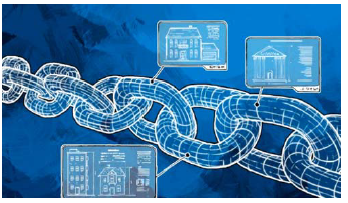

Enunciado 1087136-1

(Source: https://www.multirede.com.br/wpcontent/uploads/2017/09/blcokchain2.png. Retrieved on January 25th 2018)
By Ken Tysiac
November 17, 2017
The emergence of blockchain technology has led to a concern in the CPA profession that is perfectly understandable.
Technological advances can threaten people’s livelihoods in any number of professions. The development of the Internet had a devastating effect on newspaper journalists, and some experts say self-driving vehicles may cause huge job losses among truck drivers.
Blockchain, meanwhile, has implications for the accounting profession. Blockchain is a digital ledger on which transactions are recorded chronologically and can be viewed by all who have access. The technology is expected to affect auditing, cybersecurity, and financial planning and analysis.
Erik Asgeirsson, president and CEO of CPA.com, the technology arm of the AICPA, said that some CPAs have anxiety that blockchain might put audit professionals out of business. But while blockchain is likely to change the way CPAs work, he said, he is telling accounting firm leaders that the accounting profession can continue to thrive through the use of blockchain technology.
“It’s going to be a fantastic, secure database that will have uses,” he said during a panel presentation Tuesday at the Wall Street Blockchain Alliance’s Blockchain for Wall Street education day in New York City. “But it’s not going to put them out of work.”
Large and medium-size CPA firms already are seeing the implications of blockchain for their clients, Amy Pawlicki, CPA, vice president–Assurance & Advisory Innovation for the Association of International Certified Professional Accountants, said during the panel session. Companies are implementing blockchain into their enterprise resource planning (ERP) systems, particularly for tasks such as procurement and supplier management.
Blockchain’s ledger-based technology can simplify the procurement process because it enables secure recording of transactions in a way that can lead to unprecedented transparency and increased operational efficiency.
“Our auditors are already auditing transactions in the blockchain,” Pawlicki said.
Blockchain’s transparency gives visibility to all transactions for approved users, and this may decrease auditors’ work with sampling and validating transactions. But this allows auditors more time to focus on controls and investigating anomalies. Meanwhile, opportunities are emerging for CPAs to use blockchain technology as they expand their assurance services to areas such as cybersecurity and sustainability.
“We’ve got a lot of work to do … it’s a great opportunity in an area where CPAs can add a lot of value,” Pawlicki said.
An important next step for the profession in the use of blockchain is accommodations for the technology from standard setters and regulators. SEC Chief Accountant Wesley Bricker, CPA, J.D, said Tuesday that the commission’s Office of the Chief Accountant is investing time in understanding blockchain technologies, and suggested that accounting professionals do the same.
“It is important that those in the accounting profession invest the time to understand new trends and developments in technology and commerce to identify their potential effects on financial reporting to investors,” Bricker said during a speech at a Financial Executives International conference in New York City.
Past developments such as the emergence of computers, ERP systems, and cloud computing have merely changed CPAs’ work instead of making them irrelevant. The same can be true with blockchain, Asgeirsson said.
“Through every phase,” Asgeirsson said, “what’s really happened is that the accountant’s and the auditor’s role has just evolved.”
(Source:https://www.journalofaccountancy.com/news/2017/nov/blockch ain-opportunity-for-accountants-201717900.html. Retrieved on January 22nd, 2018)
Glossary:
CEO: Chief Executive Officer
CPA: Certified Public Accountant
ERP: Enterprise Resource Planning
AICPA: American Institute of Certified Public Accountants
During the panel presentation in New York, Erik Asgeirsson showed to be
 

Provas

Questão presente nas seguintes provas

READ TEXT II AND ANSWER TO THE QUESTION.


TEXT II


Blockchain: An opportunity for accountants? Or a threat?


Enunciado 1087135-1

(Source: https://www.multirede.com.br/wpcontent/uploads/2017/09/blcokchain2.png. Retrieved on January 25th 2018)
By Ken Tysiac
November 17, 2017
The emergence of blockchain technology has led to a concern in the CPA profession that is perfectly understandable.
Technological advances can threaten people’s livelihoods in any number of professions. The development of the Internet had a devastating effect on newspaper journalists, and some experts say self-driving vehicles may cause huge job losses among truck drivers.
Blockchain, meanwhile, has implications for the accounting profession. Blockchain is a digital ledger on which transactions are recorded chronologically and can be viewed by all who have access. The technology is expected to affect auditing, cybersecurity, and financial planning and analysis.
Erik Asgeirsson, president and CEO of CPA.com, the technology arm of the AICPA, said that some CPAs have anxiety that blockchain might put audit professionals out of business. But while blockchain is likely to change the way CPAs work, he said, he is telling accounting firm leaders that the accounting profession can continue to thrive through the use of blockchain technology.
“It’s going to be a fantastic, secure database that will have uses,” he said during a panel presentation Tuesday at the Wall Street Blockchain Alliance’s Blockchain for Wall Street education day in New York City. “But it’s not going to put them out of work.”
Large and medium-size CPA firms already are seeing the implications of blockchain for their clients, Amy Pawlicki, CPA, vice president–Assurance & Advisory Innovation for the Association of International Certified Professional Accountants, said during the panel session. Companies are implementing blockchain into their enterprise resource planning (ERP) systems, particularly for tasks such as procurement and supplier management.
Blockchain’s ledger-based technology can simplify the procurement process because it enables secure recording of transactions in a way that can lead to unprecedented transparency and increased operational efficiency.
“Our auditors are already auditing transactions in the blockchain,” Pawlicki said.
Blockchain’s transparency gives visibility to all transactions for approved users, and this may decrease auditors’ work with sampling and validating transactions. But this allows auditors more time to focus on controls and investigating anomalies. Meanwhile, opportunities are emerging for CPAs to use blockchain technology as they expand their assurance services to areas such as cybersecurity and sustainability.
“We’ve got a lot of work to do … it’s a great opportunity in an area where CPAs can add a lot of value,” Pawlicki said.
An important next step for the profession in the use of blockchain is accommodations for the technology from standard setters and regulators. SEC Chief Accountant Wesley Bricker, CPA, J.D, said Tuesday that the commission’s Office of the Chief Accountant is investing time in understanding blockchain technologies, and suggested that accounting professionals do the same.
“It is important that those in the accounting profession invest the time to understand new trends and developments in technology and commerce to identify their potential effects on financial reporting to investors,” Bricker said during a speech at a Financial Executives International conference in New York City.
Past developments such as the emergence of computers, ERP systems, and cloud computing have merely changed CPAs’ work instead of making them irrelevant. The same can be true with blockchain, Asgeirsson said.
“Through every phase,” Asgeirsson said, “what’s really happened is that the accountant’s and the auditor’s role has just evolved.”
(Source:https://www.journalofaccountancy.com/news/2017/nov/blockch ain-opportunity-for-accountants-201717900.html. Retrieved on January 22nd, 2018)
Glossary:
CEO: Chief Executive Officer
CPA: Certified Public Accountant
ERP: Enterprise Resource Planning
AICPA: American Institute of Certified Public Accountants
The sentence that warns about the harmful effects advances in technology may bring is:
 

Provas

Questão presente nas seguintes provas