Foram encontradas 420 questões.
Disciplina: Eletroeletrônica
Banca: FUNDATEC
Orgão: Pref. Nova Candelária-RS
Provas

- EletromagnetismoMagnetismoCampo e Força Magnética
- EletromagnetismoMagnetismoMagnetismo Elementar
- EletromagnetismoElétricaEletricidade
- EletromagnetismoElétricaEletrodinâmica
Provas
Disciplina: Eletroeletrônica
Banca: FUNDATEC
Orgão: Pref. Nova Candelária-RS
Provas
Disciplina: Eletroeletrônica
Banca: FUNDATEC
Orgão: Pref. Nova Candelária-RS
- EletrotécnicaCircuitos Elétricos em Eletricidade
- EletrotécnicaCircuitos de Corrente Contínua e de Corrente Alternada
Analise a Figura 1 abaixo, que representa um circuito composto por uma fonte de tensão contínua ideal e condutores de resistência desprezível:
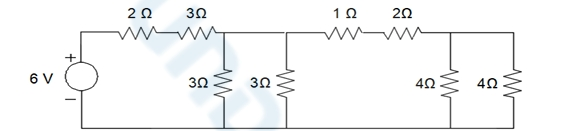
Figura 1
Com base na Figura 1, determine a resistência total e a corrente total fornecida pela fonte. Utilize o critério de arredondamento com duas casas decimais (caso a terceira casa decimal seja igual ou maior que 5, arredonde a segunda casa para cima; se for menor que 5, mantenha-a inalterada) e mantenha a precisão máxima nos cálculos intermediários, realizando o arredondamento apenas nas respostas finais
Provas
Disciplina: Eletroeletrônica
Banca: FUNDATEC
Orgão: Pref. Nova Candelária-RS
Provas
Para responder à questão, considere a tirinha apresentada na Figura 1 abaixo.

Figura 1
Fonte: Schulz (c1969).
Provas
Para responder à questão, considere a tirinha apresentada na Figura 1 abaixo.
Figura 1
Fonte: Schulz (c1969).
Provas
Disciplina: Inglês (Língua Inglesa)
Banca: FUNDATEC
Orgão: Pref. Nova Candelária-RS
The First Edition of Emily Brontë’s ‘Wuthering Heights’
By Ellen Wexler
When Emily Brontë published Wuthering Heights in 1847, several critics used the word
“strange.” As the New York Times’ B.D. McClay points out, one review simply began, “This is a
strange book,” while others described the novel as “strangely original” and “a strange, inartistic
story.” “Wuthering Heights is a strange sort of book—baffling all regular criticism; yet, it is
impossible to begin and not finish it,” another observed. “We strongly recommend all our
readers who love novelty to get this story, for we can promise them that they never have read
anything like it before.”
The novel’s first edition was divided into two volumes, released alongside a third volume
containing Agnes Grey, a novel by Emily’s younger sister, Anne. The siblings published under
the pseudonyms Ellis and Acton Bell. Of the estimated 250 copies printed, only a few complete
copies survive with their full-cloth binding intact. On June 30, Christie’s will sell the first edition’s
three volumes in one lot at an auction in London, where the collection is expected to go for
between $540,000 and $800,000. “The last time one appeared at auction was in 1908, so no
collector alive has had a chance to acquire one,” says Mark Wiltshire, a books and manuscripts
specialist at Christie’s.
When Emily and Anne saw the printed editions, they realized that the books contained a
number of errors. Some pages were marked with the wrong numbers, while others contained
incorrect or missing punctuation. Perhaps the most egregious mistakes were six misspellings
of “Agnes Grey” and three misspellings of “Heights”. In letters written in the weeks after
publication, their sister Charlotte complained that the volumes were full of “errors of the press”
that she described as “mortifying.”
Writing under the pseudonym Currer Bell, Charlotte had published her own debut novel,
Jane Eyre, earlier the same year, and it had been an immediate success. She was deeply
protective of her younger sisters, and she was disappointed that their publisher, Thomas
Cautley Newby, had allowed so many mistakes to make it to press. “If Mr. Newby always does
business in this way,” she wrote, “few authors would like to have him for their publisher a
second time.” Newby hoped to capitalize on the popularity of Jane Eyre, but Wuthering Heights,
which explored darker themes, didn’t enjoy the same level of success.
The story is set against the dramatic, untamed moors of Yorkshire, which is also where
the Brontë siblings grew up. The Brontës’ childhood was marked by tragedy, as most family
members died young from tuberculosis. In 1850, after Emily’s death, Charlotte’s publisher
released a second edition of Wuthering Heights. Charlotte fixed the errors from the first edition
and revealed her sister’s identity in a biographical notice. Emily didn’t live to see her novel
become so beloved, admired by the likes of Ernest Hemingway, Joan Didion and Virginia Woolf.
Few surviving first-edition copies still have their original binding. Wiltshire has only been
able to track down five others: Three are in the university libraries of Leeds, Oxford, and
Princeton universities, according to a statement, while the fourth is housed at the British Library
in London. The fifth, which contains Charlotte’s annotations, is missing several pages, and it
sold for $86,500 in 2009.
(Available at: https://www.smithsonianmag.com/smart-news/the-first-edition-of-emily-brontes-wuthering-heights-contained-incorrect-page-numbers-missing-punctuation-and-three-misspellings-of-the-word-heights-180989005/ – text specially adapted for this test).
Provas
Disciplina: Inglês (Língua Inglesa)
Banca: FUNDATEC
Orgão: Pref. Nova Candelária-RS
- Interpretação de texto | Reading comprehension
- Gramática - Língua InglesaOrações condicionais | Conditional Clauses
The First Edition of Emily Brontë’s ‘Wuthering Heights’
By Ellen Wexler
When Emily Brontë published Wuthering Heights in 1847, several critics used the word
“strange.” As the New York Times’ B.D. McClay points out, one review simply began, “This is a
strange book,” while others described the novel as “strangely original” and “a strange, inartistic
story.” “Wuthering Heights is a strange sort of book—baffling all regular criticism; yet, it is
impossible to begin and not finish it,” another observed. “We strongly recommend all our
readers who love novelty to get this story, for we can promise them that they never have read
anything like it before.”
The novel’s first edition was divided into two volumes, released alongside a third volume
containing Agnes Grey, a novel by Emily’s younger sister, Anne. The siblings published under
the pseudonyms Ellis and Acton Bell. Of the estimated 250 copies printed, only a few complete
copies survive with their full-cloth binding intact. On June 30, Christie’s will sell the first edition’s
three volumes in one lot at an auction in London, where the collection is expected to go for
between $540,000 and $800,000. “The last time one appeared at auction was in 1908, so no
collector alive has had a chance to acquire one,” says Mark Wiltshire, a books and manuscripts
specialist at Christie’s.
When Emily and Anne saw the printed editions, they realized that the books contained a
number of errors. Some pages were marked with the wrong numbers, while others contained
incorrect or missing punctuation. Perhaps the most egregious mistakes were six misspellings
of “Agnes Grey” and three misspellings of “Heights”. In letters written in the weeks after
publication, their sister Charlotte complained that the volumes were full of “errors of the press”
that she described as “mortifying.”
Writing under the pseudonym Currer Bell, Charlotte had published her own debut novel,
Jane Eyre, earlier the same year, and it had been an immediate success. She was deeply
protective of her younger sisters, and she was disappointed that their publisher, Thomas
Cautley Newby, had allowed so many mistakes to make it to press. “If Mr. Newby always does
business in this way,” she wrote, “few authors would like to have him for their publisher a
second time.” Newby hoped to capitalize on the popularity of Jane Eyre, but Wuthering Heights,
which explored darker themes, didn’t enjoy the same level of success.
The story is set against the dramatic, untamed moors of Yorkshire, which is also where
the Brontë siblings grew up. The Brontës’ childhood was marked by tragedy, as most family
members died young from tuberculosis. In 1850, after Emily’s death, Charlotte’s publisher
released a second edition of Wuthering Heights. Charlotte fixed the errors from the first edition
and revealed her sister’s identity in a biographical notice. Emily didn’t live to see her novel
become so beloved, admired by the likes of Ernest Hemingway, Joan Didion and Virginia Woolf.
Few surviving first-edition copies still have their original binding. Wiltshire has only been
able to track down five others: Three are in the university libraries of Leeds, Oxford, and
Princeton universities, according to a statement, while the fourth is housed at the British Library
in London. The fifth, which contains Charlotte’s annotations, is missing several pages, and it
sold for $86,500 in 2009.
(Available at: https://www.smithsonianmag.com/smart-news/the-first-edition-of-emily-brontes-wuthering-heights-contained-incorrect-page-numbers-missing-punctuation-and-three-misspellings-of-the-word-heights-180989005/ – text specially adapted for this test).
Analyse the statements below about the following excerpt:
“If Mr. Newby always does business in this way, few authors would like to have him for their publisher a second time.” (l. 25–27)
I. It is a conditional sentence.
II. The first clause expresses a condition, while the second expresses a hypothetical consequence.
III. The conditional clause refers to a completed action in the past.
Which ones are correct?
Provas
Disciplina: Inglês (Língua Inglesa)
Banca: FUNDATEC
Orgão: Pref. Nova Candelária-RS
The First Edition of Emily Brontë’s ‘Wuthering Heights’
By Ellen Wexler
When Emily Brontë published Wuthering Heights in 1847, several critics used the word
“strange.” As the New York Times’ B.D. McClay points out, one review simply began, “This is a
strange book,” while others described the novel as “strangely original” and “a strange, inartistic
story.” “Wuthering Heights is a strange sort of book—baffling all regular criticism; yet, it is
impossible to begin and not finish it,” another observed. “We strongly recommend all our
readers who love novelty to get this story, for we can promise them that they never have read
anything like it before.”
The novel’s first edition was divided into two volumes, released alongside a third volume
containing Agnes Grey, a novel by Emily’s younger sister, Anne. The siblings published under
the pseudonyms Ellis and Acton Bell. Of the estimated 250 copies printed, only a few complete
copies survive with their full-cloth binding intact. On June 30, Christie’s will sell the first edition’s
three volumes in one lot at an auction in London, where the collection is expected to go for
between $540,000 and $800,000. “The last time one appeared at auction was in 1908, so no
collector alive has had a chance to acquire one,” says Mark Wiltshire, a books and manuscripts
specialist at Christie’s.
When Emily and Anne saw the printed editions, they realized that the books contained a
number of errors. Some pages were marked with the wrong numbers, while others contained
incorrect or missing punctuation. Perhaps the most egregious mistakes were six misspellings
of “Agnes Grey” and three misspellings of “Heights”. In letters written in the weeks after
publication, their sister Charlotte complained that the volumes were full of “errors of the press”
that she described as “mortifying.”
Writing under the pseudonym Currer Bell, Charlotte had published her own debut novel,
Jane Eyre, earlier the same year, and it had been an immediate success. She was deeply
protective of her younger sisters, and she was disappointed that their publisher, Thomas
Cautley Newby, had allowed so many mistakes to make it to press. “If Mr. Newby always does
business in this way,” she wrote, “few authors would like to have him for their publisher a
second time.” Newby hoped to capitalize on the popularity of Jane Eyre, but Wuthering Heights,
which explored darker themes, didn’t enjoy the same level of success.
The story is set against the dramatic, untamed moors of Yorkshire, which is also where
the Brontë siblings grew up. The Brontës’ childhood was marked by tragedy, as most family
members died young from tuberculosis. In 1850, after Emily’s death, Charlotte’s publisher
released a second edition of Wuthering Heights. Charlotte fixed the errors from the first edition
and revealed her sister’s identity in a biographical notice. Emily didn’t live to see her novel
become so beloved, admired by the likes of Ernest Hemingway, Joan Didion and Virginia Woolf.
Few surviving first-edition copies still have their original binding. Wiltshire has only been
able to track down five others: Three are in the university libraries of Leeds, Oxford, and
Princeton universities, according to a statement, while the fourth is housed at the British Library
in London. The fifth, which contains Charlotte’s annotations, is missing several pages, and it
sold for $86,500 in 2009.
(Available at: https://www.smithsonianmag.com/smart-news/the-first-edition-of-emily-brontes-wuthering-heights-contained-incorrect-page-numbers-missing-punctuation-and-three-misspellings-of-the-word-heights-180989005/ – text specially adapted for this test).
Provas
Caderno Container